Electrical safety
A qualified installer checks circuit capacity, earthing, protection and cable route.

Residential charging
Solutions for houses, villas and residential communities, with professional installation, scheduling and user management.
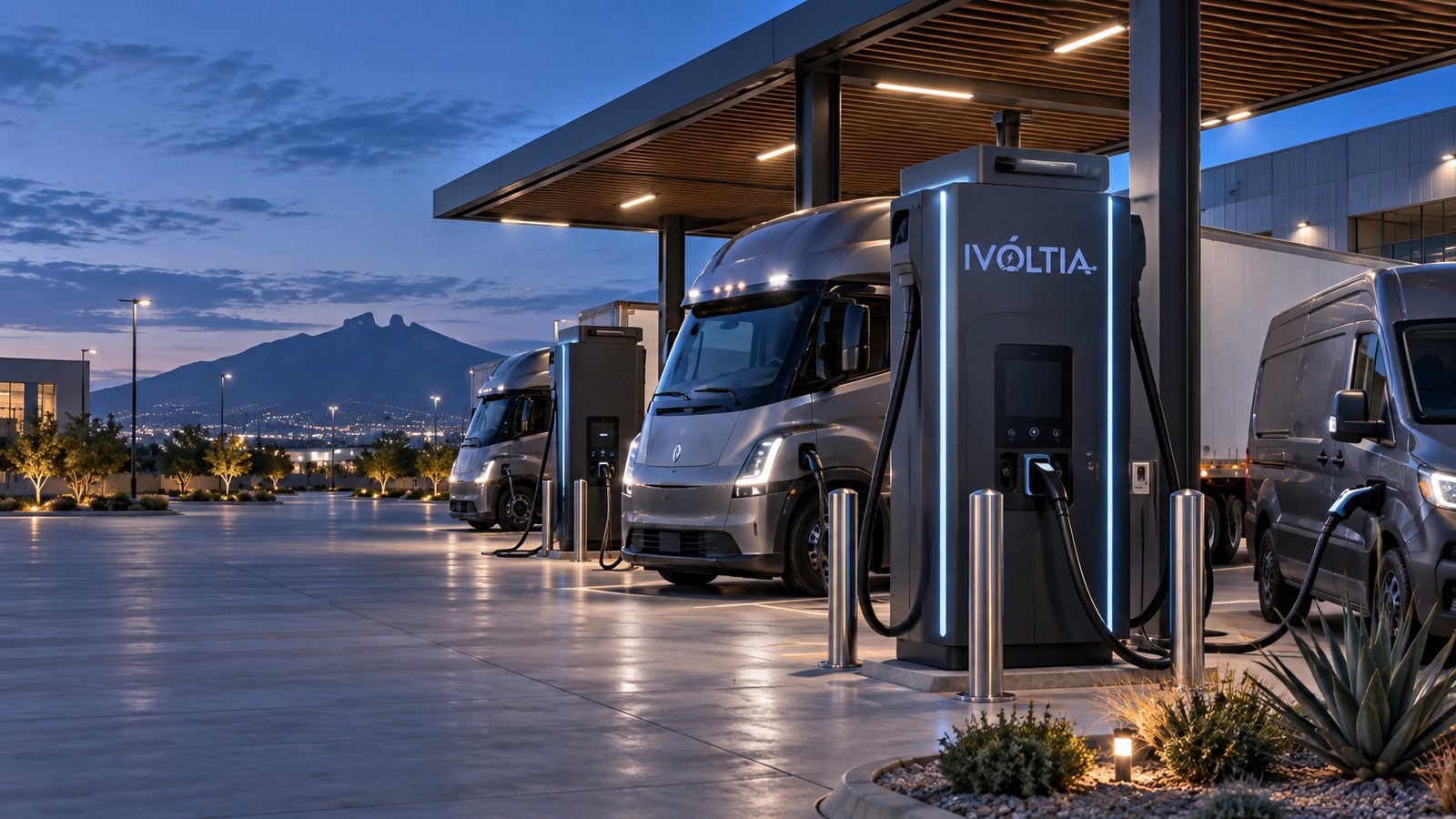 Application illustration
A qualified installer checks circuit capacity, earthing, protection and cable route.
Private and shared bays need different authorization, metering and cost allocation.
Reserve distribution, conduits and management capacity before wider community adoption.
YOUR OPERATING GOALS
The goal is simple: plug in when parking and leave with the energy needed. The design still has to validate the circuit, protection, cable route, user access and the vehicle’s AC capability.
A dedicated 7 kW wallbox can cover typical daily use during long parking periods.
Circuit capacity, grounding and protection are checked before equipment selection.
Access records and power sharing help serve multiple residents.
Charging can be scheduled when tariffs and local rules allow.
CONFIGURATION OPTIONS
A private garage and a shared apartment parking area have different access, metering and capacity needs.
| Application | Configuration | Selection rationale |
|---|---|---|
| Occasional travel or emergency backup | Compatible portable charger | Flexible use, subject to outlet, circuit and local requirements. |
| House or villa, one EV | Dedicated 7 kW wallbox | Convenient overnight charging with a professional circuit. |
| House with limited service capacity | Wallbox with scheduled or dynamic control | Charging can avoid competing with major household loads. |
| Apartment or residential community | Multiple wallboxes with user access and load sharing | Supports fair use and expansion without uncontrolled demand. |
FROM DESIGN TO HANDOVER
Connector, onboard AC power and daily energy need.
Panel capacity, circuit distance, grounding and protection.
Parking position, cable reach, weather exposure and daily access.
Dedicated circuit, protection, mounting, connectivity and vehicle test.
Schedules, users, records and support contact where applicable.
YOUR QUESTIONS, ANSWERED
Practical answers about Homes & communities. No guesswork.
Ask about your project10 questions
For many drivers with overnight parking, yes. Final suitability depends on daily energy use and the vehicle’s onboard AC limit.
Only with compatible portable equipment and after confirming the outlet, circuit, grounding, protection and local rules.
Approximate time equals energy to add divided by the lower of charger power and vehicle acceptance, with allowance for losses and tapering.
Depending on the selected platform and local rules, sessions can be associated with users and exported for billing or reconciliation.
A shared site limit can distribute available power among active vehicles and prevent overload.
A qualified local electrician should install and test the circuit, protection, grounding and equipment according to local requirements.
Ownership and reinstatement responsibilities should be agreed first. A qualified installer must assess removal and installation at the new site; fixed equipment is not simply a portable appliance.
Reserve electrical capacity, conduit routes and management capacity before the first installation. Check whether load management or an electrical upgrade is needed as participation grows.
Individual authorization may help for shared bays and cost allocation. A private single-user bay can be simpler. Confirm the access options of the selected model and software.
Provide the equipment manual, vehicle details and proposed location. The installer must verify current, earthing, protective devices and the applicable local installation requirements.
No matching question. Try another word or contact our team.
YOUR NEXT PROJECT
Your vehicles. Your site. Your operating goals. Start a conversation around the system you actually need.