
Smart Charging: Powering the Future of Electric Mobility
6/17/20254 min read
Understanding Smart Charging Solutions
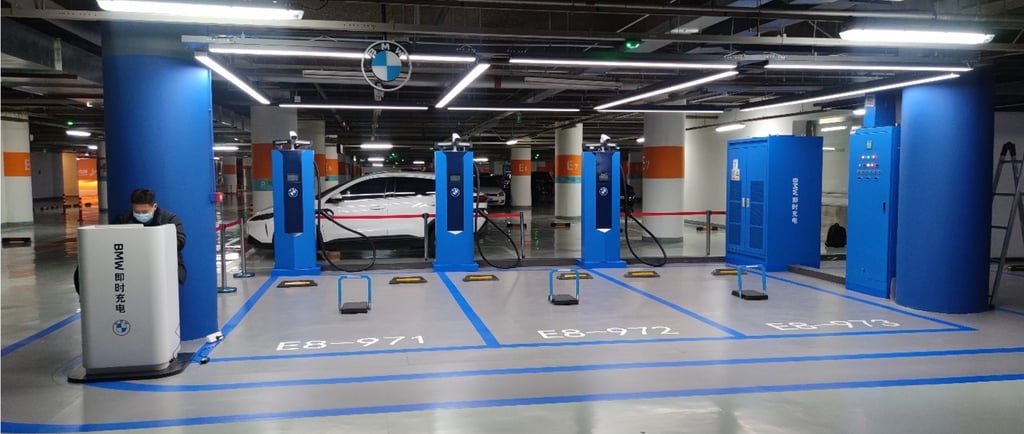
Smart charging refers to an advanced charging technology that enhances the efficiency and flexibility of electric vehicle (EV) charging. Unlike traditional charging methods, which often operate at fixed rates and lack real-time data integration, smart charging solutions are designed to optimize energy consumption based on various factors such as energy demand, grid conditions, and renewable energy availability. This adaptability is key to meeting the diverse needs of EV users while supporting a sustainable energy landscape.
One of the defining characteristics of smart charging is its ability to communicate with both the vehicle and the electric grid. This two-way interaction allows for features like demand response, which helps balance the load on the grid by adjusting charging rates or times based on peak demand periods. Furthermore, smart charging is equipped with the capability to prioritize charging during off-peak hours, thereby maximizing the use of renewable energy sources such as solar and wind, which are often more abundant during specific times of the day.
Technological advancements are at the forefront of smart charging solutions. Incorporating Internet of Things (IoT) technology, chargers can be remotely monitored and managed, providing EV users with real-time insights into their charging habits and energy use patterns. Machine learning algorithms also play a role by predicting energy needs and optimizing charging schedules based on user behavior and grid conditions. The integration of vehicle-to-grid (V2G) technology is another promising development, enabling EVs to not only draw power from the grid but also return surplus energy during high demand, thus acting as distributed energy resources.
As the demand for electric mobility grows, smart charging solutions are increasingly recognized for their potential to improve energy management and facilitate the adoption of electric vehicles, ultimately contributing to a cleaner and more efficient transportation ecosystem.
ivoltia's Innovative Charging Technology
ivoltia is at the forefront of intelligent electric vehicle (EV) charging technology, offering a diverse range of products that cater to both personal and commercial needs. Their lineup includes compact home chargers designed for everyday use, as well as large-scale solutions tailored for businesses and charging stations. This versatility ensures that customers can find the appropriate charging solution for their specific requirements.
At the core of ivoltia's offerings is advanced hardware combined with robust software, which contribute to the efficiency and reliability of their products. Each charging station is engineered with state-of-the-art technology that optimizes the charging process while minimizing energy consumption. The scalability of ivoltia's systems allows for seamless integration into existing infrastructure, meeting the growing demand for EV charging across different sectors.
To illustrate the effectiveness of ivoltia's technology, consider the successful installation of their charging stations at various commercial sites. For instance, a well-known retail chain implemented ivoltia's large-scale charging solutions in their parking lots, providing customers with convenient access to fast charging. This not only enhanced customer satisfaction but also positioned the retail chain as a leader in sustainable practices. In a different example, a residential community utilized ivoltia’s compact home chargers to create a network of accessible charging points, appealing to eco-conscious homeowners.
Overall, ivoltia’s innovative charging technology not only promotes electric mobility but also supports businesses and residents in transitioning to a greener future. Their commitment to quality and customer-centric solutions places them as a key player in the evolution of smart charging systems, effectively meeting the diverse needs of the electric vehicle market.
The Role of Smart Charging in Sustainable Mobility
As urban centers strive for a more sustainable future, smart charging emerges as a pivotal technology in the electric mobility landscape. Smart charging systems offer innovative solutions designed to optimize the recharging of electric vehicles (EVs), reducing carbon emissions and promoting a greener environment. These systems enable EVs to charge at times when renewable energy generation is at its peak, thereby enhancing energy efficiency and minimizing reliance on fossil fuels.
The integration of smart charging technology enables seamless communication between EVs, charging stations, and the grid, allowing for real-time adjustments based on energy demand and supply. This dynamic interaction not only supports the operational efficiency of charging infrastructure but also enhances the overall resilience of the energy system. With electric vehicles poised to dominate automotive markets, the increasing demand for efficient, reliable, and environmentally friendly charging solutions becomes critical for urban mobility.
Furthermore, smart charging directly contributes to the reduction of greenhouse gas emissions. By aligning the charging process with periods of low carbon intensity, these systems significantly lower the carbon footprint associated with electric vehicle usage. As cities work to comply with stricter environmental regulations and reduce air pollution, smart charging represents a scalable solution that can be implemented alongside existing urban infrastructures.
However, the deployment of smart charging networks is not without challenges. Urban planners face hurdles such as the need for substantial investment in digital infrastructure and potential technological interoperability issues. Addressing these challenges requires collaborative efforts between governments, private sector stakeholders, and citizens to create supportive policies and frameworks that will facilitate the widespread adoption of smart charging solutions. Investing in smart charging technologies will ensure that the evolution of urban mobility aligns with sustainability goals, paving the way for a cleaner, healthier future.
The Future of Charging Infrastructure and Smart Grid Technology
The landscape of charging infrastructure is poised for significant evolution as the advancement of smart grid technology continues to reshape the electric mobility ecosystem. With the increasing adoption of electric vehicles (EVs), there is a pressing need for charging solutions that not only accommodate the growing demand but also enhance efficiency and sustainability. Smart charging technology plays a crucial role in this transformation, providing innovative ways to manage energy consumption, optimize charge times, and integrate renewable energy sources.
Looking ahead, the expectations for charging stations include greater scalability and flexibility. Charging infrastructure will need to evolve from traditional plug-and-charge models to more dynamic systems that can respond to real-time energy demands and supply conditions. This adaptability will be vital in ensuring that the infrastructure can support both current and future EV populations without straining the power grid.
Key trends in charging infrastructure and smart grid technology indicate a move towards ultra-fast charging stations and widespread deployment of wireless charging solutions. Additionally, the integration of vehicle-to-grid (V2G) systems will allow EVs to contribute to the electrical grid, which enhances grid stability and promotes the use of renewable energy. These innovations underscore the necessity for efficient policy frameworks that support the development of charging infrastructure and the adoption of smart technologies.
As electric mobility continues to expand, the collaboration between government, private sector, and stakeholders will be essential. This cooperation can facilitate the establishment of comprehensive charging networks that are accessible, user-friendly, and economically viable. In light of these dynamics, the charging ecosystem is likely to become increasingly sophisticated over the next decade, emphasizing the need for proactive strategies in planning and deployment.
About Us
La Perouse Holdings Limited
Registered in Hong Kong